Listening Journal #1
When
initiating a discussion of the development of American popular music, it is
important to look at a wide variety of music from a multitude of traditions.
One of the important traditions is “old time” music. “Barbra Allen” is a song
from the British ballad tradition and is considered part of “old time” music.
Ballads tell a story in a series of verses, and “Barbra Allen” fits this
description. The song tells a story of unrequited love. Through the years,
individual performers have altered the lyrics and embellished the melody to fit
their audience. Coming from an aural tradition, it is common to have details
change over time, but the main idea and verse format have stayed the same.
_(290626613).jpg)
“Old time” music also includes the string band tradition.
“Soldier’s Joy” is one of the most important songs in the fiddle repertoire and
has enjoyed popular success at various points in history. The song consists of
alternating A and B sections, similar to a verse chorus structure seen in a
large number of popular songs. Much like “Barbara Allen,” there have been a
number of changes to “Soldier’s Joy” over time; lyrics have been added and the
melody embellished at times. Though not found in the recordings by The Skillet
Lickers or Tommy Jarrell, American string bands have used the banjo, and
instrument coming from the African tradition. Even in the earliest days of
American music, there has been a mixing of musical traditions. When exploring
the “Old Time” tradition with students, it would be informative to explore both
how it has influenced later music, and how “old time” music in America has its
own influences.
The banjo was an important instrument in the African
American tradition, but has been widely adopted by country and bluegrass music
as well. The banjo has its roots in Africa and has been traced back to the Akonting from Senegal. Bela Fleck, a
virtuoso banjo player, documented the development of the banjo in his film “Throw
Down Your Heart.”
I have used this video in
my teaching of general music were I taught a world music unit and transitioned
student’s learning of African and Latin traditions into a Rock ‘n Roll unit
later in the year.
Dink Robert’s version of “Coo Coo” is sung and
accompanied by solo banjo. Robert comes from the Piedmont tradition and was a “songster”
who played a style of music that predates the blues. Dink Robert used a
particular style of plucking the banjo with fingers to create a polyrhythmic
sound influenced by the African tradition. However, you can definitely hear the
“seeds” of blues music in his melodic use of “blue” notes. The song has an alternating
A B style similar “Soldier’s Joy” except the B section is a banjo response. The
call and response aspect of this song is quintessentially African and finds its
roots in the singing traditions of African slaves. Like “Barbara Allen,” “Coo
Coo” is narrative in nature, but Robert changes perspective from one verse to
the next.
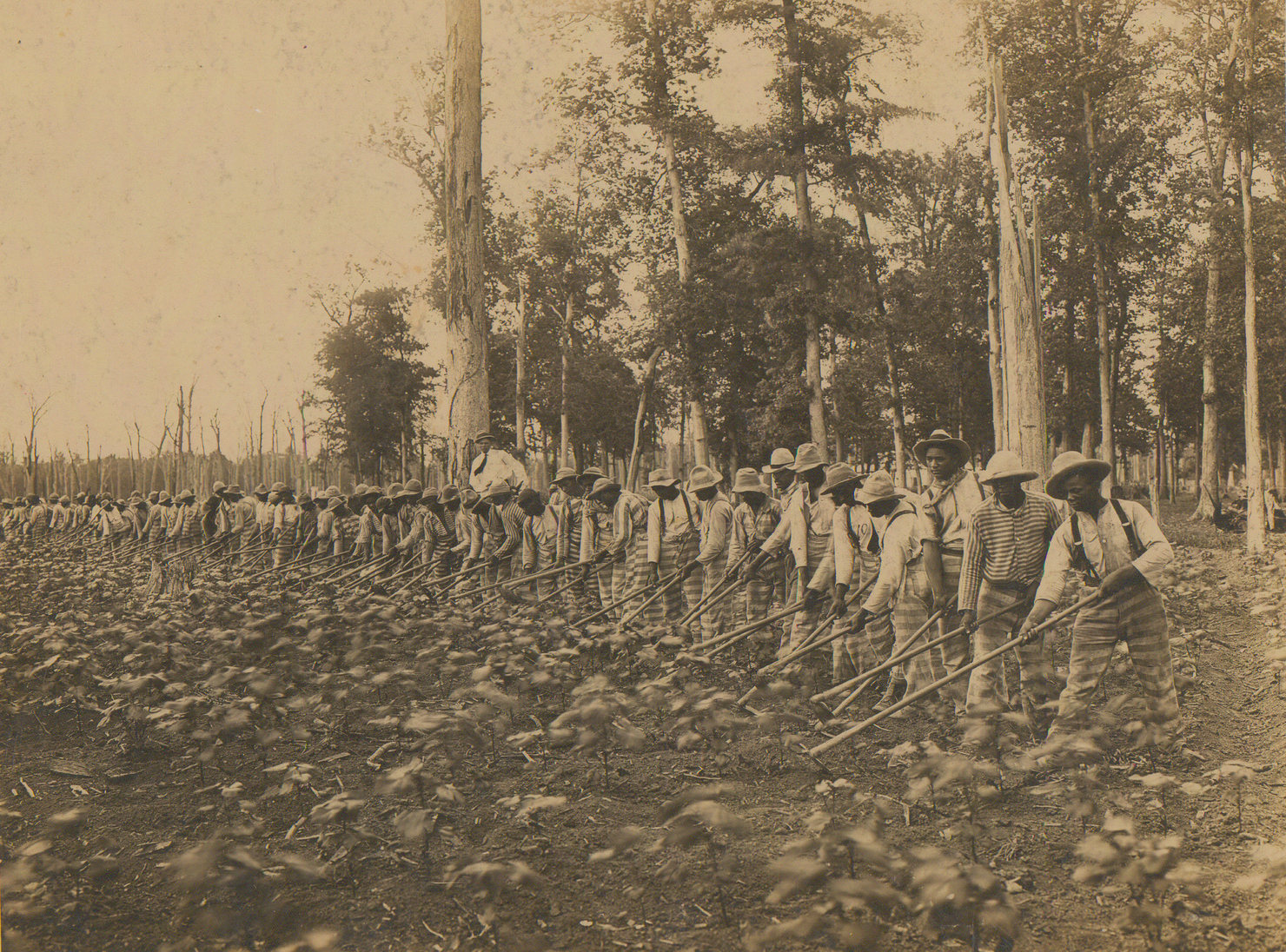
Call and Response is also found in the Lighting
Washington version of “Long John.” This song is an example of a work song where
music was used to coordinate manual labor. This tradition comes from the
African slave’s work, but could also be seen in the work of prison culture. “Long
John” is also narrative in nature; it tells the story of a legendary man who
escaped law enforcement. The singing style is raspy in nature. This type of
timbre is emotive in the African tradition and has influenced the singing
styles of blues and rock singers in American music. Elvis Presley, the king of
rock ‘n roll, helped to popularize a raspy vocal tone in a time where the
smooth vocal style of singers like Pat Boone were more mainstream.
The ballad tradition noted in “Barbara Allen” also found
variation in the African American tradition. “Stagolee,” sung by Mississippi
John Hurt, tells the story of “Stagger Lee.” Many of the African American ballads
told stories of bad men who stood up to authority. This had a cathartic effect
as the African population felt the cruelty of racism, but also reminded
listeners of the danger of violence in the community. It contains the narrative
verse style of the ballad, but it also has the three line verse and harmonies
of the blues. Like Dink Robert, Hurt used a plucking technique that created a polyrhythmic,
syncopated texture stemming from the African tradition. In later listening
journals, we will explore the impact of African style on popular music. Polyrhythm,
raspy tone, and the blues would greatly impact jazz, rock, and pop styles.
Latin music and its rhythmic drive also influenced the development of American
music.
In particular, the Tango was extremely popular and
influential. “La Cumparasita” is the best known tango composition and has been
recorded by a variety of musicians. Carlos Gardel put his unique stamp on the
song with a “bel canto” style of singing and an aggressive, but not
overpowering guitar accompaniment. The lyrics are arranged in a verse and
chorus typical of much popular music. Fransisco Canaro’s version includes the bandoneon,
a reedy sounding cousin to the accordion, and habanera rhythms. Violins, double
bass, piano, and drums set complete the typical tango ensemble.
Besides the Tango, Afro-Cuban music has also been
influential; there is an entire sub-genre of jazz popularized by musicians like
Dizzy Gillespie. “Eigue Nigue” is a rumba and includes a variety of percussion
instruments, a hallmark of Afro-Cuban music. The African influence is apparent
in the polyrhythmic textures of the percussion instruments and the call and
response vocal writing. The overall song structure includes three sections; the
final section contains the call and response element. Unlike most of the songs
thus far, “Eigue Nigue” is not narrative. Musical interest is built on rhythmic
complexity rather than a story.
The Latin musical tradition also includes the music of
Mexico. A melting pot of its own, Mexico’s musical tradition includes
influences from brass bands (banda), country music, and English ballads
(corridos). The most famous style of Mexican music is mariachi. Considered the
national style, mariachi originated in Jalisco and has a number of traditions.
The popular uniform of the mariachi actually originated as an insult to the
high class ranchers, but has become a symbol of the musical style. “Son de la
Negra” sung by the popular Mariachi Vargas is an excellent example of mariachi
music. The style, includes vocal shouts, major third harmonies, and guitar-like
instruments particular to mariachi. The lyric text of “Son de la Negra” is based
on the couplet and the rhythmic beat is a driving triple feel. The polyrhythmic
nature of Latin music does have African influences owning to Moorish occupation
in Spain. Mariachi music has recently become a popular and competitive option
for string programs in the southwest. Adding a mariachi group to course
offerings may be an excellent way to get students of Mexican descent to join
school music programs. Including mariachi music in instruction in smaller ways
may also help to legitimize an important musical style in the school context.
Considered the first popular music composer in America,
Stephen Foster was the composer of a great number of popular songs. His compositional
style directly influenced Tin Pan Alley and later composers of popular music
with his ability to write an effective “hook.” An example of his sentimental “Irish”
style, “Jeanie with the Light Brown Hair” is also an example of the AABA
melodic structure which became extremely popular in the early twentieth
century. A study of Stephen Foster can be an excellent part of the music
curriculum. His song structure and “hook” writing can inform student
performance and learning of popular music. His tragically short life is also a “jumping
off point” for a discussion of copyright.
Though Stephen Foster was very popular, the first
mega-hit was “After the Ball.” The lyric style includes a chorus in addition to
the ballad-like verses that tell a story. The song was written by Charles K
Harris who could not write or read music. He used a traveling theater
production to help boost his song’s popularity much like Tin Pan Alley did with
vaudeville acts. John Phillip Sousa’s performance of the song helped boost the
song’s popularity. Harris declined an offer to buy his song and developed his
own publishing company much in the same way small record labels blossomed in
the rock era.

No comments:
Post a Comment